When Drains Fight Back: The Realities of Professional Drain Unblocking Services
I have spent enough mornings ankle-deep in grey water to know that a blocked drain is rarely a simple problem. It is never just about the water that will not go down. It is about the smell, the mess, the slow panic when you realise the bathroom floor is starting to flood, and the sinking feeling that this is going to cost more than a plunger can fix. Over the years I have seen the same patterns repeat: a homeowner tries a bottle of chemical cleaner, then a shop-bought snake, and finally calls for proper drain unblocking services when nothing else has worked. By that point, the blockage has usually hardened into something that requires real equipment and real experience.
Why Simple Fixes Fail
The typical domestic drain is a fragile system. A kitchen sink, for example, collects cooking fats, food scraps, and soap scum that gradually build up along the pipe walls. A bathroom sink traps hair and toothpaste residue. Outside, a gully fills with leaves, mud, and the occasional lost tennis ball. These are not dramatic failures at first. They are gradual accumulations that narrow the pipe until the water can barely pass. Most people reach for a plunger or a bottle of caustic liquid, and sometimes that buys a few days. But the blockage rarely dissolves completely. Instead it shifts downstream, compacts, and returns worse than before.
That is where professional drain unblocking services come in. A trained operator does not guess at the problem. They use drain rods first, working methodically from the nearest manhole or access point to locate the obstruction. Drain rods are simple but effective: a set of interlocking rods that can be pushed through a pipe to break up a soft blockage or retrieve an object. I have used them to pull out everything from a child's toy car to a kitchen knife that someone accidentally dropped down the sink. But rods have limits. When the blockage is deep, or the pipe has collapsed, or the obstruction is a solid mass of congealed fat, you need something stronger.
The Fatberg Problem
Nothing tests a drainage system like a fatberg. These are not just clumps of cooking grease. They are a cement-like mixture of fat, wet wipes, sanitary products, and other non-flushable items that bond together over time. In some cases a fatberg can grow to the size of a car and block a main sewer, affecting dozens of households. I once worked on a job in a restaurant kitchen where the pipe was completely sealed by a fatberg that had formed over several months. The staff had been pouring hot grease down the sink, thinking it would stay liquid. It did not. It cooled, solidified, and trapped every other solid that came after it.
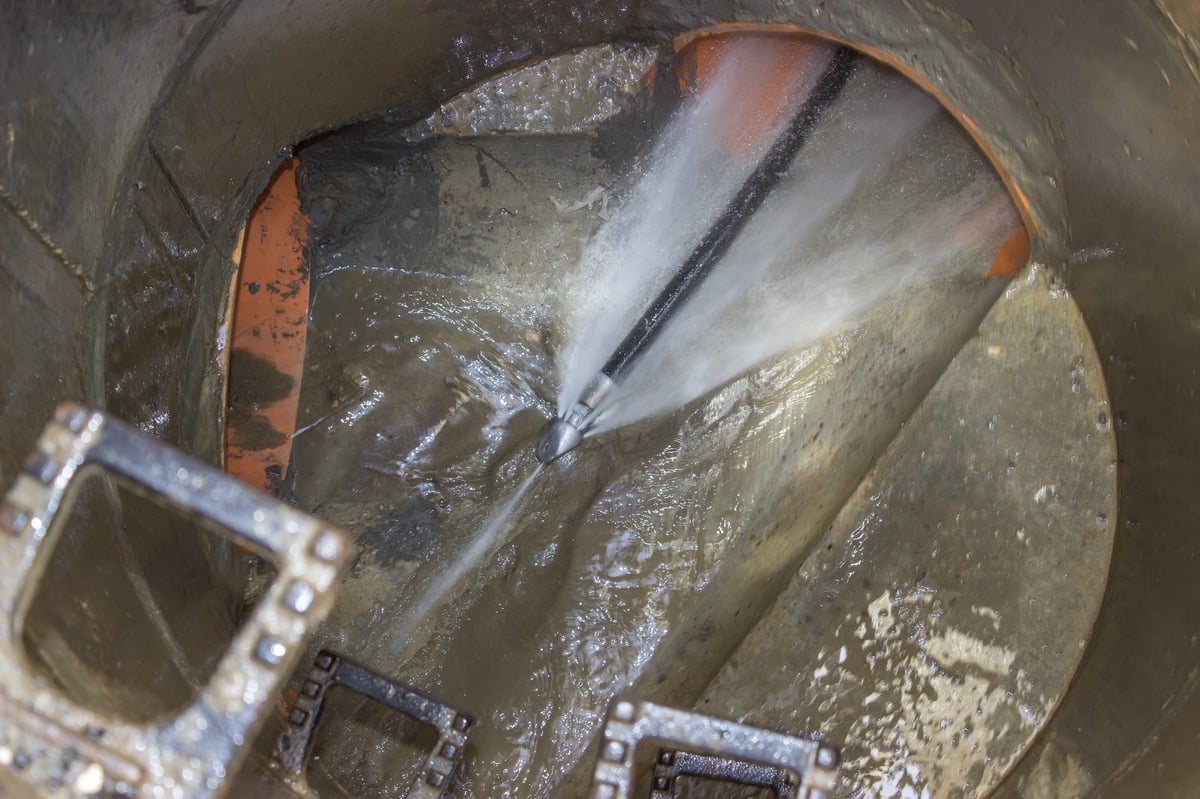
For that kind of blockage, drain jetting is the standard approach. A high-pressure water hose is fed into the pipe, and the jet of water cuts through the fat and debris, flushing it away. Drain jetting is not a gentle process. The water pressure can exceed 3000 psi, which is enough to clean the pipe walls and restore full flow. It is also the method of choice for clearing external drains and large-diameter sewers where rods would be too slow or too weak. Most professional drain unblocking services will combine jetting with a cctv drain survey to see exactly what is happening inside the pipe before they start.
The Value of a CCTV Drain Survey
A cctv drain survey is one of the most useful tools in the trade. A small camera is pushed through the drain, transmitting real-time video to a monitor above ground. The operator can see cracks, displaced joints, root intrusions, and the exact location and nature of the blockage. This is invaluable for deciding the right course of action. For example, if the survey shows that a section of pipe has collapsed, no amount of jetting will fix it. The pipe needs to be excavated and replaced. But if the survey shows a localised fat deposit, a targeted jetting run can solve it in minutes.
Root removal is another common issue that a CCTV survey reveals. Tree roots seek out moisture, and a cracked drain pipe is an ideal source. Over time, roots grow through the crack and expand inside the pipe, creating a dense mat that traps debris. Cutting these roots requires a mechanical cutter attached to a jetting hose, or a specialist root-cutting tool. In some cases the roots are so thick that the pipe must be replaced entirely. But a survey at least tells you which situation you are in, before you spend money on the wrong fix.
Common Scenarios: Blocked Toilet, Blocked Sink, External Drain
A blocked toilet is one of the most urgent drainage problems. It is not just inconvenient. If the toilet backs up and overflows, it creates a biohazard. The cause is usually a combination of toilet paper and something that should never have been flushed: a wet wipe, a nappy, or a sanitary pad. In many cases the blockage is close to the toilet itself, and a set of drain rods can push it through into the main stack. But if the blockage is further down, in the underground pipe run, the toilet may need to be lifted or a manhole accessed from outside.
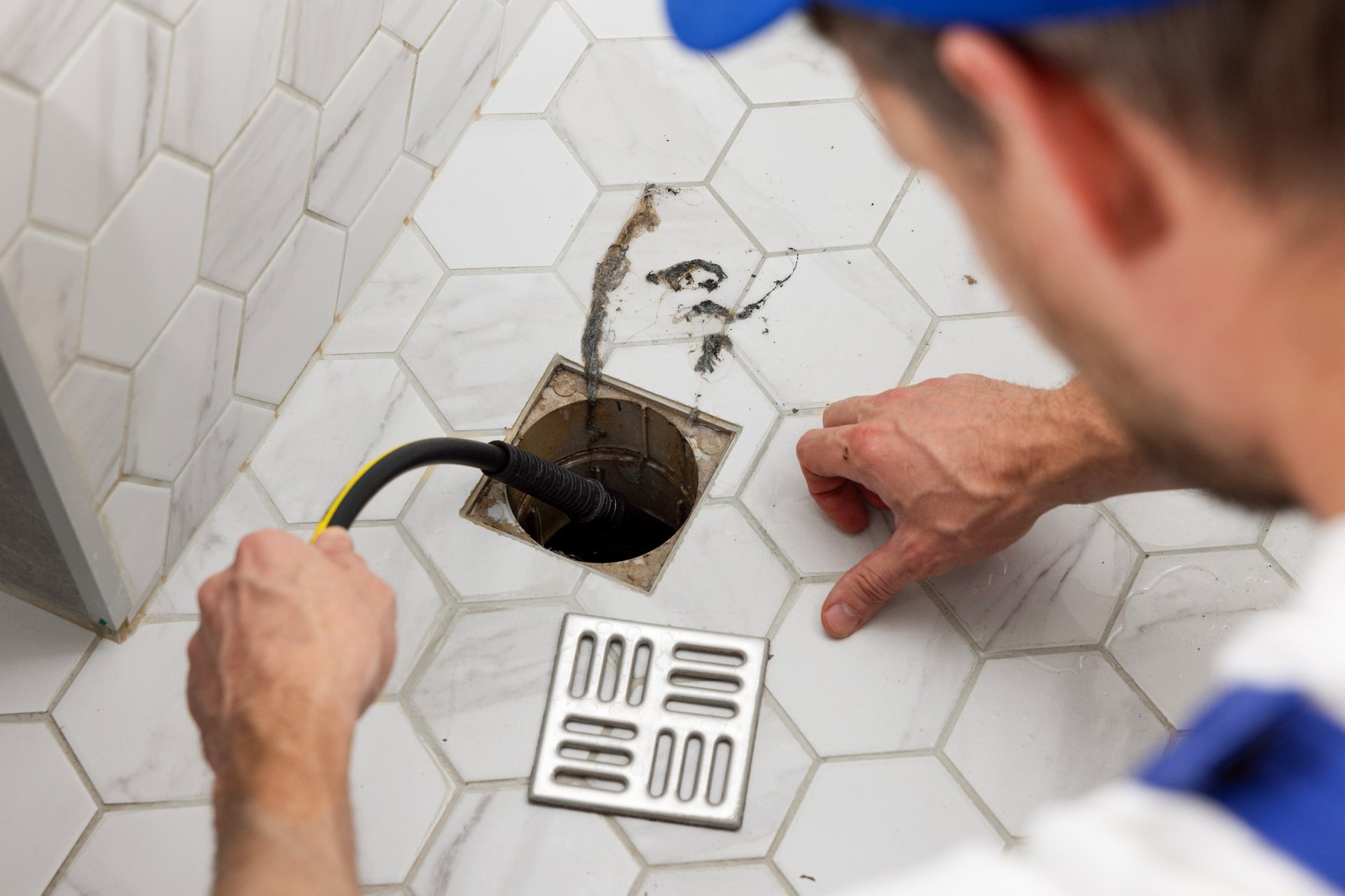
A blocked sink is generally less dramatic but more common. Kitchen sinks, especially, suffer from grease and food debris. Bathroom sinks collect hair and soap scum. A plumber might try to clear a sink by removing the trap underneath, but if the blockage is in the wall, you need a drain unblocker with longer reach. I have seen cases where a sink has been clogged for weeks, and the homeowner has tried every chemical on the shelf, only to have a professional clear it in fifteen minutes with a drain rod and a bucket of hot water.
External drains are a different beast. A gully outside the back door collects leaves, moss, and silt. A rainwater drain can be blocked by debris from a nearby tree. A soakaway, which is a pit designed to let rainwater soak into the ground, can become clogged with silt and stop working entirely. In these cases, the solution often involves drain cleaning: a thorough jetting of the pipe run, followed by a survey to check that the water is flowing freely to the sewer or soakaway. Sometimes the problem is not a blockage but a collapsed pipe or a misaligned joint, which requires excavation and repair.
Emergency Drainage and the Human Side
I have been called out at 2am for an overflowing sewer in a block of flats. The residents were panicking, the corridor was flooded, and the landlord was on the phone every five minutes. Emergency drainage work is not just about technical skill. It is about staying calm, communicating clearly, and making quick decisions under pressure. In that case, the problem was a blockage in the main sewer line caused by a combination of wet wipes and tree roots. We used a combination of jetting and root cutting, and had the flow restored by dawn. The mess had to be professionally cleaned afterwards, but the immediate crisis was over.
Not every job is a crisis. Sometimes it is a slow blockage that has been building for months, and the homeowner just wants it fixed before the weekend guests arrive. That is where drain unblocking services prove their worth: they provide a reliable, repeatable solution that saves time, mess, and money compared to trial-and-error DIY methods. The best way to avoid a repeat blockage is to have the drain cleaned and surveyed regularly, especially if the property is old or has trees nearby.
Choosing the Right Service
If you live in Essex, London, or anywhere inside the M25, you have plenty of options for drainage help. The key is to choose a service that has the right equipment for the job. A general plumber may have a set of rods and a plunger, but they rarely carry a jetting unit or a CCTV camera. For serious blockages, you need a specialist who brings the full toolkit. Look for a provider that offers no callout fees and transparent pricing, because hidden costs are the last thing you need when your bathroom is flooding.
Drain unblocking services are not glamorous, but they are essential. They keep homes dry, businesses running, and the environment safe from sewage leaks. And they rely on a mix of old-fashioned tools like drain rods and modern technology like CCTV surveys. The trade-off is always the same: spend a little on professional help now, or spend a lot on repairs and cleanup later. Most people learn that lesson the hard way, but once they do, they never go back to the plunger.